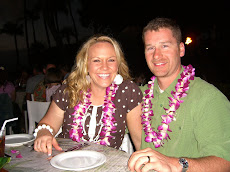
When overwhelmed with life and responsibilities, sometimes I forget that I am, and we are, truly blessed. It is always good to get reminders of what is REALLY important in life. What is our true purpose here and what gives true happiness. My sister-in-law, Heidi, passed along to me this little clip of this wonderful woman many of us know as NieNie. She is very inspiring...
Watch this.
Showing posts with label life lessons. Show all posts
Showing posts with label life lessons. Show all posts
5.12.2010


4.21.2010
PLASTIC: the good, the bad, and the yucky!

Do you ever look at the numbers on plastic and wonder what they mean? What is good plastic or bad plastic? Is it ok to microwave in plastic? Are baby bottles safe? Can all plastic be recycled?
THERE ARE SO MANY QUESTIONS TO ASK, AND SO MANY QUESTIONS I WANT ANSWERED.
I have been putting this post off for two weeks now. This is a big topic to tackle and I am new to the information. While on vacation over spring break, I read an article about what the numbers on the bottom of our plastic means. I know, I know, MANY of you are already well informed, so this is for those who are like me, and kinda didn't want to know. I am trying to make changes for my family right now. I am trying to become more informed about what we eat and what we surround ourselves with.
I discussed my findings about the #'s on plastic with my kiddos, and they are now on a MISSION! We searched our entire kitchen to see what every plastic was. Then, they took it a step further...they checked the car seats, toys, every bottle you could possible think of, and have been telling everyone about our findings. I love that they are so excited to learn and be involved.
So, what are the findings? I'll give you some, but check it out yourself. There is a lot of information out there. I hope that I don't give bad info, I'm just sharing what I found. I just think it is so important for me to be more aware! Guess who had to buy new baby bottles... yup! Moi! I am just absolutely sick about the thought of my babies using a bottle that wasn't totally safe. Sick.
**I am in NO WAY any expert, nor would I ever claim to be.
**I am still researching this too and would LOVE and comments, questions, or information ya'll have to offer! So PLEASE leave comments if you have in info so that we may all learn.
**I read a lot of articles on this topic, however I found the info from Eco Village Green to be most detailed, informative and helpful.
THIS INFO COMES FROM ECO VILLAGE GREEN:
"Here’s your guide to what the numbers mean, whether they’re safe, and how easily recyclable they are:

Plastic #1: This is polyethylene terephtalate, also known as PETE or PET. Most disposable soda and water bottles are made of #1 plastic, and it’s usually clear. This plastic is considered generally safe. However, it is known to have a porous surface that allows bacteria and flavor to accumulate, so it is best not to keep reusing these bottles as makeshift containers. This plastic is picked up by most curbside recycling programs.

Plastic #2: This is high density polyethylene, or HDPE. Most milk jugs, detergent bottles, juice bottles, butter tubs, and toiletries bottles are made of this. It is usually opaque. This plastic is considered safe and has low risk of leaching. It is also picked up by most recycling programs.

Plastic #3: This is polyvinyl chloride, or PVC. It is used to make food wrap, bottles for cooking oil, and plumbing pipes. PVC is a tough plastic but it is not considered safe to cook food near it. There are phthalates in this material–softening chemicals that interfere with hormonal development. You should minimize use of #3 plastic around food as much as possible. Never cook using food wrap, especially in a microwave oven. If the wrap is listed as microwave-safe then I would still not let it touch the food while using it in the microwave. #3 plastic is rarely accepted by recycling programs.

Plastic #4: This is low density polyethylene (LDPE). It is used to make grocery bags, some food wraps, squeezable bottles, and bread bags. This plastic is considered safe, but is unfortunately not often accepted by curbside recycling programs.

Plastic #5: this is polypropylene. Yogurt cups and similar wide-necked containers are often made from it, as well as water bottles with a cloudy finish. You’ll also find it in medicine bottles, ketchup and syrup bottles, and straws. This plastic is also considered safe, and is increasingly being accepted by curbside recycling programs.

Plastic #6: this is polystyrene, or Styrofoam, from which disposable containers and packaging are made. You’ll also find it in disposable plates and cups. Evidence is increasingly suggesting that this type of plastic leaches potentially toxic chemicals, especially when heated. I suggest avoiding the use of #6 plastic as much as possible. It is difficult to recycle and most recycling programs won’t accept it.

Plastic #7: This number basically means “everything else.” It’s a mixed bag, composed of plastics which were invented after 1987. Polycarbonate falls into this category, including the dreaded BPA. So do modern plastics used in anything from iPods to computer cases. It also includes some baby bottles and food storage containers which resist staining. Use of #7 plastic is at your own risk, since you don’t know what could be in it. You should dispose of any food or drink related product, especially for children, that is known to contain BPA. I personally also view any other food or drink container made from #7 plastic with a good deal of suspicion. It is difficult to recycle #7 plastic and most curbside recycling programs won’t accept it.
To summarize, plastics #2, #4 and #5 are generally considered safe. Plastic #1 is safe too but should not be re-used due to the risk of growing bacteria. Any other plastic should be used with extreme caution, especially around food or drink. The risk is even greater when heating food. For microwaving in particular, remember that microwave safe containers aren’t necessarily healthy. They just won’t melt. In general, it’s better to avoid microwaving plastic entirely and stick to glass."
For more information on what numbers are safe go to Eco Village Green.
May we all find ways to live healthier and happier!
3.25.2010
FOCUSING ON THE BEST THINGS IN LIFE: THE STAKER'S MIRACLE

This is a story of the loving Staker family with a little boy, Bronson, who had a horrifying accident. This is a story of faith, prayers, hope, and thankfully a miracle.
In my day-to-day routine in life, sometimes I forget to REALLY count my blessings, REALLY focus on the best things, and REALLY give thanks to a God of miracles. Life is hard, life is trying, and life is full of ups and downs, but life is also wonderful, blissful, amazing, fun and miraculous.
I hope this story touches you like it has me. I have been so very moved by their experience.
Go here to read the story and details.
I could tell you in my words...but it would NEVER do their experience justice.
My favorite quote from the mother was:
"As I think of that now, I realize that this is the time. The time for me, as well, to be done with lesser things. The time to focus on what is most important. Most lasting. Most eternal. More than ever before. Not the good things. Or even the better things. But the best things. The very best things."
Subscribe to:
Posts (Atom)


 Posts
Posts